Indie Beauty’s Creator Marketing Playbook for 2026


Creator marketing isn’t “emerging” anymore. It is the backbone of modern business growth.
What is emerging is a new power curve, where indie brands are quietly outmaneuvering portfolio giants by building tighter communities, smarter creator systems, and faster cultural reflexes.
In our recent Traackr webinar with Sarah Davis, Claire McCormack, and mega creator Lina Noory, we didn’t just talk about what’s happening now—we unpacked what’s coming next and what every brand must do before 2026 to stay relevant.
If you haven’t watched the session yet, you can catch the replay here. What follows builds on that conversation by distilling the most important shifts every brand should be acting on before 2026.
The Fastest-Growing Brands Aren’t Buying Influence. They’re Earning It
Traackr evaluated more than 250 beauty brands across the US, UK and France in the 2025 Indie Beauty Brand Report, and a clear pattern emerged. The fastest-growing beauty brands aren’t flooding the market with content or overextending their creator rosters. They’re building credibility in consistency and loyalty.
“The fastest-growing indie brands have built a system that balances efficiency with authenticity.” - Sarah Davis, Senior Influencer Marketing Consultant at Traackr
It’s a formula playing out in four defining behaviors:
1. Community over one-off creators
Indie brands now generate 88% of their attention organically (vs. 64% for portfolio brands). That organic share is a signal of genuine creator enthusiasm, not contractual deliverables.
A simple gut-check: If you asked customers to name one creator tied to your brand, could they? If not, your strategy may be too fragmented to build memory.
2. Retention is the new growth metric
Nearly two-thirds of indie brand attention comes from creators who repeatedly show up for the brand. Familiarity breeds trust, and trust drives conversion.
Creator Lina Noory, who has long championed multi-touch partnerships, said it plainly: “Long-term partnerships aren’t a nice-to-have; they are the future. Authenticity is the growth strategy.”
3. Paid as an amplifier, not a bandage
Indie brands also boost less (10.6% of paid posts) yet outperform by ~3x in shares and saves. The takeaway isn’t “don’t spend” but rather put spend behind what’s already working.
“If a creator hasn’t built trust with their audience, no amount of paid will fix the disconnect.” - Lina Noory, Content Creator @linanoory
4. Platform agility creates an edge
Indie brands are quietly outmaneuvering larger competitors by shifting their focus to platforms that build depth, not just views. While the industry obsesses over TikTok volume, YouTube is emerging as a high-intent engine: video views are up 44% year-over-year, YouTube attention has climbed 29%, and yet brands publish an average of just 33 paid YouTube posts compared with 660 on TikTok. The payoff for those who invest early is clear. YouTube content delivers category-leading performance, with 0.83% engagement and 21.6% view rates.
“People are moving back to longer-form content. They want to hear you talk, teach, and connect — not just transition through outfits.” - Lina Noory, Content Creator @linanoory
Culture Moves Fast. Winning Brands Move With It
Indie beauty brands don’t win because they chase culture faster. They win because they’re closer to the people shaping it. Instead of treating social as a broadcast channel, they treat it like a real-time feedback loop and they can act on what they hear.
Take e.l.f.’s Halo Glow Remix. The trend didn’t originate inside a marketing meeting, but rather with fans. Instead of redirecting the moment, e.l.f. amplified it, transforming a grassroots trend into a full-scale campaign. That same instinct to listen rather than dictate is what pushed the brand to accelerate the launch of its bronzing drops by a full year. The demand was already there; e.l.f. simply tuned in.
The brands winning cultural relevance aren’t guessing what their consumers want; they're hearing it in real time.
And that connection is deepest among indie founders.
“Founders tell me that their teams answer 5,000 messages a month. That vulnerability and openness is their superpower.” - Claire McCormack, Senior Editor at Beauty Independent
While large organizations rely on agencies and lengthy research cycles, indie founders treat DMs, comments, and community feedback as a living focus group. Instagram isn’t just a publishing platform for them; it’s a direct feedback loop fueling product innovation, content strategy, and cultural awareness.
This mindset extends beyond content into brand experiences, too. Claire is seeing indie brands lead more intentional trips—like Japan for wellness education or China for TCM immersion—sometimes bringing both creators and real customers who apply to attend.
Your next move in creator marketing for 2026
Based on the data, the conversations, and the direction of culture, the playbook for the next 24 months is clear:
- Invest in YouTube early while competition is thinner and attention is high-intent.
- Shift from campaigns to partnerships. Consistency builds trust; trust builds conversion.
- Listen like a founder. Treat community signals as strategy inputs, not just engagement.
Indie brands are not outliers. They are early indicators. And their advantage lies in what every brand can replicate: listening closely, acting quickly, and prioritizing credibility over volume.
Where brands go from here
The future of creator marketing requires brands to move faster, listen deeper, and design programs that are as adaptive as the culture they’re trying to influence. Doing this well requires more than great instincts. It requires data, intelligence, and a platform built for the next era of influence.
This is where Traackr leads.
Our creator intelligence platform gives brands the clarity they need to scale trust, not guesswork. With global data, real-time insights, and years of expertise supporting the world’s top creator programs, Traackr helps brands see what’s coming before it hits and dare to imagine what creator marketing can become.
To dive deeper into the strategies and stories shared by Sarah, Claire, and Lina, watch the full webinar replay here, and explore the full 2025 Indie Beauty Brand Report.
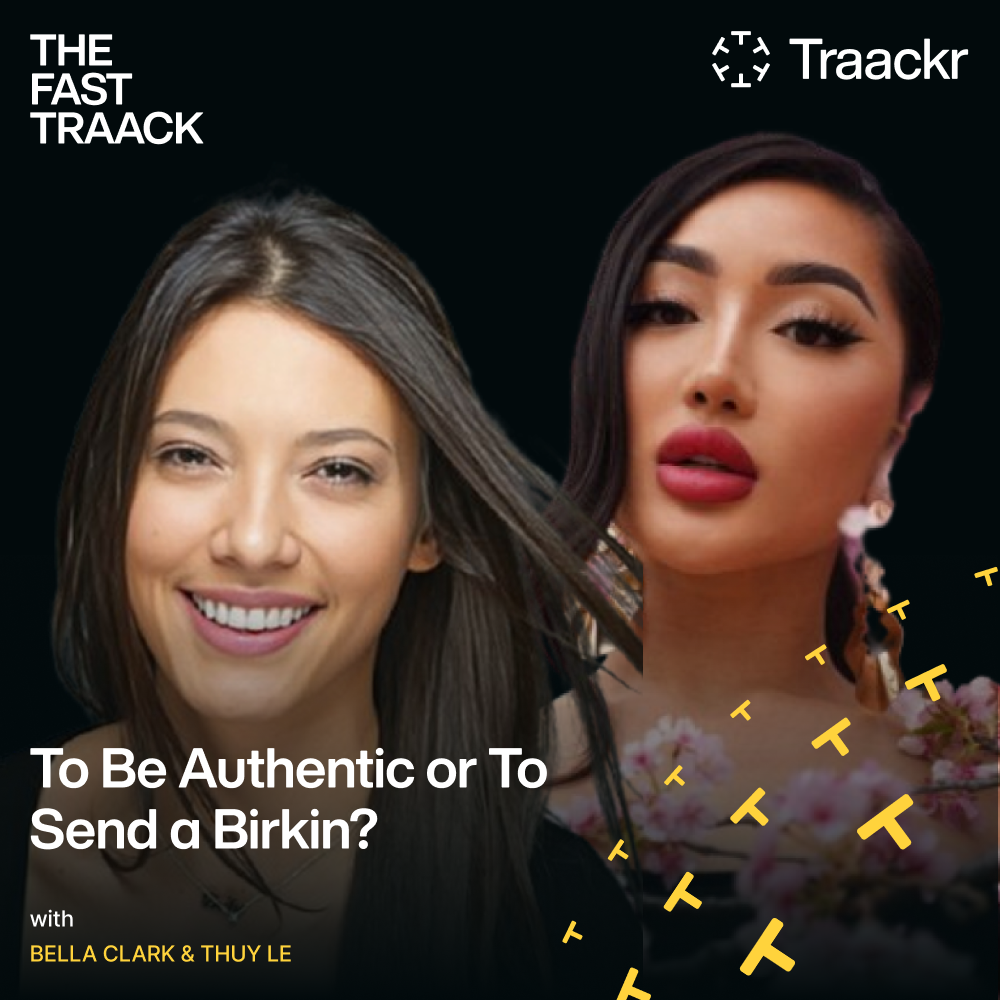
Listen to Bella Clark, Head of Influencer and Partnerships at Lipton, and content creator, Thuy Le, share why authenticity outshines extravagance when it comes to creator partnerships.
Listen nowSee which brands are leading the way in influencer marketing with our real-time performance leaderboard.
View brand leaderboard
How to Find Top Influencers in Less Time with Agentic Creator Discovery
.jpg)
Traackr Launches Abigail, the AI-Native Creator Marketing Strategist Built for the Global Enterprise
How Laboratoires Pierre Fabre Built One Global Creator Marketing Program Across 20+ Markets
Level up your creator marketing expertise
Get industry insights and updates straight to your inbox.