How Creator Content Shapes AI Search Results


Your customers aren’t searching like they used to.
According to Bain & Company, 44% of online buyers now either start their journey in an AI engine or split their search between AI, social, and traditional platforms. And that traffic is unusually qualified: ChatGPT referrals convert 31% higher than traditional non-branded organic search.
Meanwhile, most brands' own content isn't showing up in those answers, yet creator content is.
To understand what that shift actually means for your creator strategy, we sat down with Monica Khan, Founder & CEO of Creator Revolution, and Claire Sauvage, Director of AI & Data at Artefact. The conversation centered on Generative Engine Optimization (GEO), the practice of optimizing for AI-generated answers, and the specific role creators now play in shaping what those answers say.
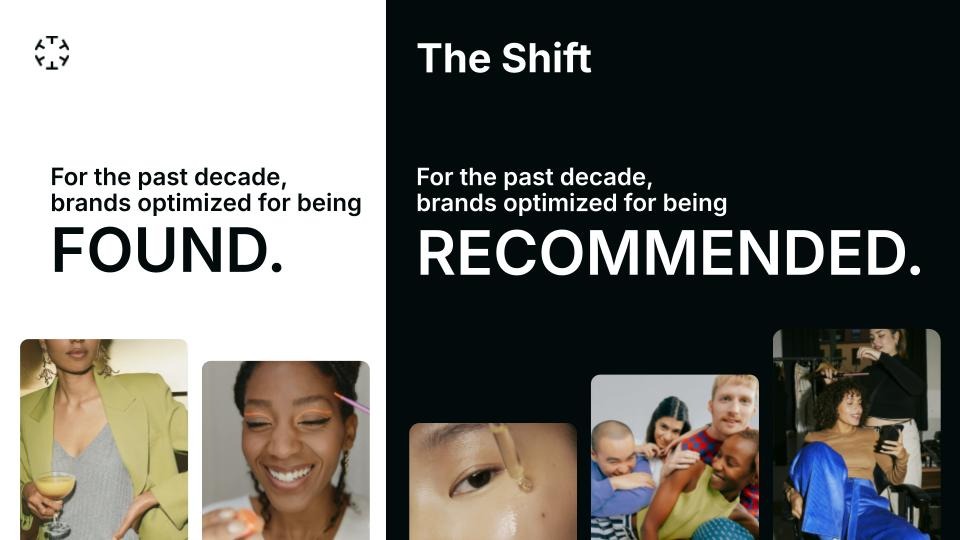
The Shift: From Found to Recommended
When Monica asked ChatGPT, “What are the best running shoes for flat feet?”, the results came back with a clean comparison table displaying five specific recommendations across support, cushioning, weight, and price. Instead of getting a brand page from Nike or Adidas, every source cited was editorial or creator content.
This is the shift we’re now experiencing. Being found meant ranking first on Google. Now, being recommended means being named in the answer AI hands back. Same goal, but different game where authority is increasingly important.
So who holds that authority? Creators increasingly do.
Tip #1: Start with the question you want to answer
If the goal is to show up in AI answers, Monica's advice is to start by mapping your purchase queries to the people with the credibility to answer them.
“You don’t actually start with creators. You start with the questions that you want AI to answer, and then you find the creator who owns that answer with authority.” — Monica Khan, Founder & CEO, Creator Revolution
Interestingly, Monica has seen AI cite creators with 30,000 to 40,000 subscribers more often than their much larger counterparts. Why? Those smaller channels had spent years answering specific questions consistently, with authority.
So how do you find these creators? This is where platforms like Traackr help. By surfacing creators with category-specific POV, content patterns, and consistency signals, you can build a portfolio from data rather than starting from scratch with every campaign.
Tip #2: Rewrite the brief by asking for the question
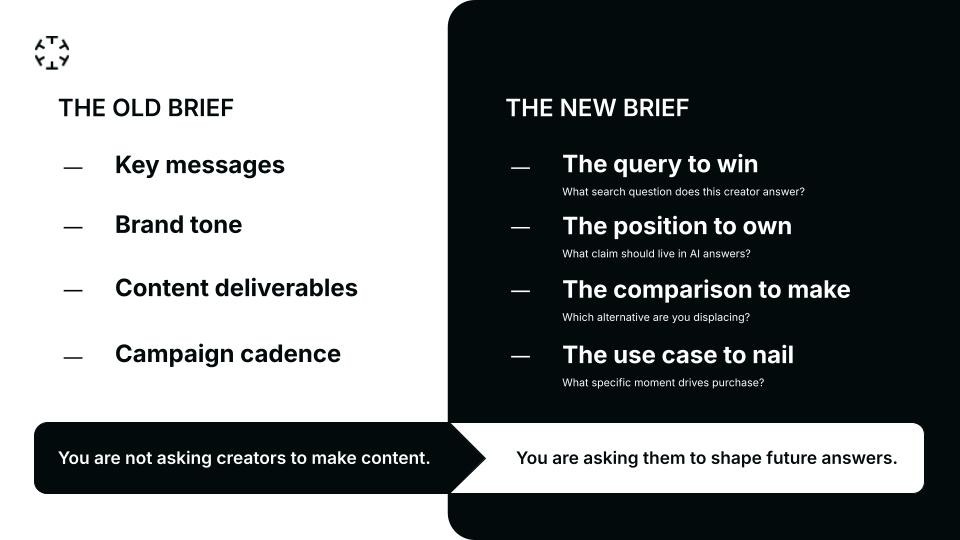
The classic creator brief specifies key messages, brand tone, content deliverables, and campaign cadence. Monica walked through a different structure built around four inputs: the query to win, the position to own, the comparison to make, and the use case to nail. The creator brings the voice. The brand brings the search target.
But does briefing for GEO kill authenticity? Both Monica and Claire pushed back on that framing. When the brief centers on the question and lets the creator write the answer in their voice, you get exactly what AI rewards, which is first-person, opinionated, specific content.
“Authenticity should remain the first focus when selecting creators, enhanced by data and AI.” — Claire Sauvage, Director of AI & Data, Artefact
A practical tip: treat your brief as a living document. Standardize the four inputs above as the template, then iterate on the queries, positions, and comparisons each quarter as your category shifts.
Tip #3: Cross-platform presence is a trust signal
Both Monica and Claire called out YouTube as the top GEO platform today because it’s long-form, indexed, and attributed. However, over-indexing on any single platform is not recommended.
“You need to be agile and avoid any locking to a particular model, because the ecosystem is changing very fast.” — Claire Sauvage, Director of AI & Data, Artefact
When a creator’s point of view shows up consistently across YouTube, Reddit, and LinkedIn, that consistency is read by AI as an authority signal. The takeaway? Work with creators who have a multi-platform presence, and stay agile as the model landscape continues to evolve.
Tip #4: Start measuring for citation
Traditional creator KPIs (reach, engagement rate, likes) were built for a world where the post was the end of the funnel. GEO requires a second measurement layer. Claire laid out three categories of indicators worth tracking:
- Visibility and desirability: brand mentions inside AI answers, your ranking versus competitors in benchmark queries, share of voice across models.
- Engagement: click-through and conversion rates from AI-embedded links and direct referrals.
- Content quality: tone-of-voice consistency with your brand narrative, citation accuracy, and safety of how AI describes your brand.
Monica added a practical way to reframe creator value under this expanded equation:
“A creator who drives 50,000 clicks and also appears in three AI answers for high-intent queries is worth more than a creator who drives 50,000 clicks alone.” — Monica Khan, Founder & CEO, Creator Revolution
To stress-test your visibility, Claire recommended asking the same benchmark question 20 different ways (including slang and misspellings) across multiple models. How your brand appears under real user phrasing is often very different from how it performs against a clean, marketer-written prompt.
What you can start doing today
Here are five things any creator marketing team can put into motion now:
- Run the test yourself. Ask various LLMs like ChatGPT and Gemini the top five purchase questions in your category. Note who gets cited and who doesn't.
- Audit your current roster. Which of the creators you're already working with could credibly answer those five questions in their own voice?
- Map queries to creators. For each product line, identify three to five purchase questions and pair each with the creator best positioned to own that answer.
- Rewrite one brief. Pick your next campaign and add in the main question (aka query) you’d like for them to answer.
- Set up monthly citation tracking. Benchmark your brand against two or three competitors across at least three models. Watch movement over time and tie it back to your creator activations.
“OpenAI and the new tech giants now have an unprecedented understanding of your customer. They know their interests and their habits. There is no debate about investing in this topic.” — Claire Sauvage, Director of AI & Data, Artefact
As Claire put it, this isn't a question of whether to invest. It's a question of how fast you move.
Want more insights from Monica and Claire? Watch the full replay of How Creator Content Shapes AI Search Results.
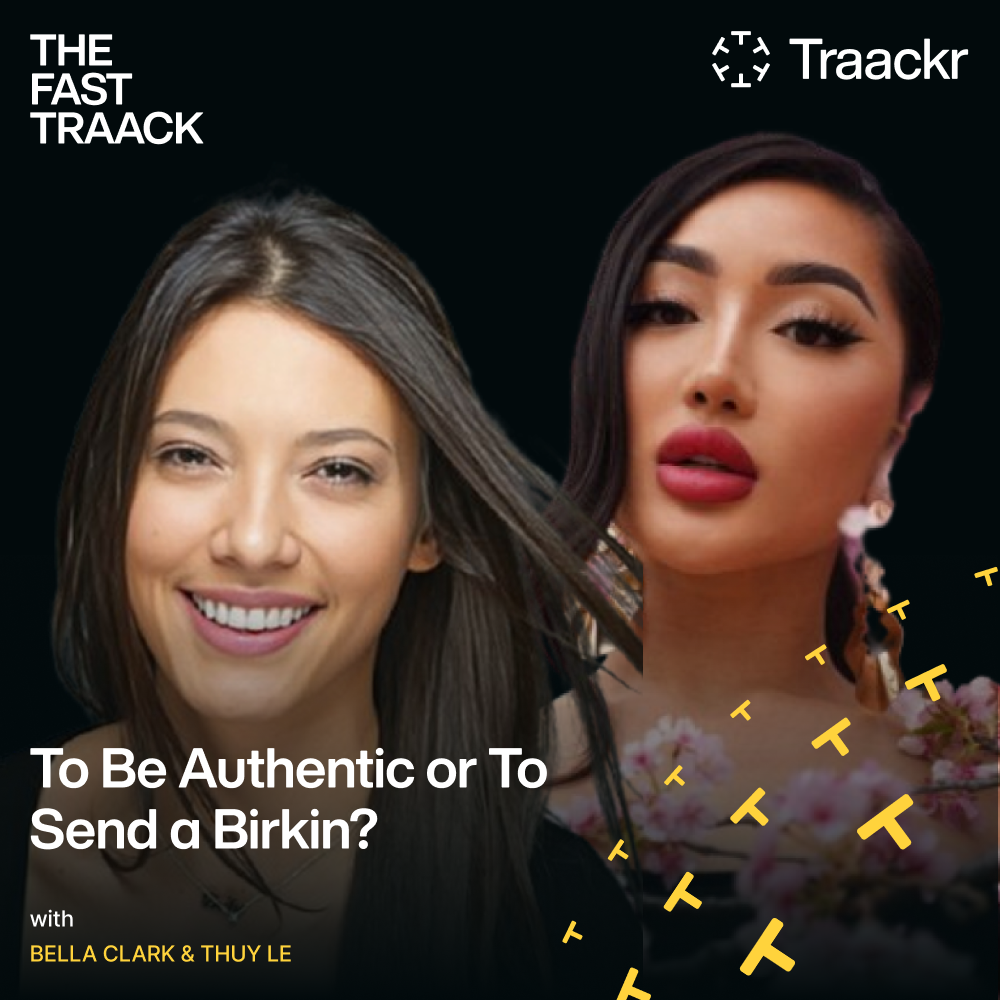
Listen to Bella Clark, Head of Influencer and Partnerships at Lipton, and content creator, Thuy Le, share why authenticity outshines extravagance when it comes to creator partnerships.
Listen nowSee which brands are leading the way in influencer marketing with our real-time performance leaderboard.
View brand leaderboard
How Laboratoires Pierre Fabre Built One Global Creator Marketing Program Across 20+ Markets

.jpg)

Level up your creator marketing expertise
Get industry insights and updates straight to your inbox.